Understanding Protein Needs for Vegetarians: How Much Protein Do You Really Need?
Understanding Protein Needs for Vegetarians: How Much Protein Do You Really Need?
MEAL-PLANNING
6/2/20265 min read


Understanding Protein Needs for Vegetarians
Protein is an essential macronutrient that plays numerous roles within the body, including the support of muscle repair, immune function, and hormone production. For vegetarians, understanding protein needs is crucial to ensure they meet their daily requirements without relying on animal sources. The amount of protein individuals need typically depends on several factors, such as age, activity level, and overall dietary goals.
The recommended dietary allowance (RDA) for protein is approximately 0.8 grams per kilogram of body weight for the average adult. However, this need may vary for athletes or those engaging in regular vigorous physical activity, who may require up to 1.2-2.0 grams per kilogram. Consequently, it becomes important for vegetarians to assess their level of physical activity to establish personal protein needs accurately.
Many plant-based foods provide ample protein, including legumes, nuts, seeds, whole grains, and soy products such as tofu and tempeh. Incorporating a variety of these foods can help vegetarians satisfy their protein demands while also offering other necessary nutrients. Despite common misconceptions, a well-planned vegetarian diet can deliver sufficient protein levels, often debunking the myth that protein intake must be primarily sourced from meat.
Additionally, it is worth noting that combining different plant proteins can enhance their protein quality. For example, pairing legumes with grains creates a complete amino acid profile, which is essential for optimal health. Providing sufficient protein should be a balanced and thoughtful process rather than an overwhelming concern. A focus on diverse, nutrient-dense vegetarian foods can lead to successful meal planning and achieving adequate protein intake.
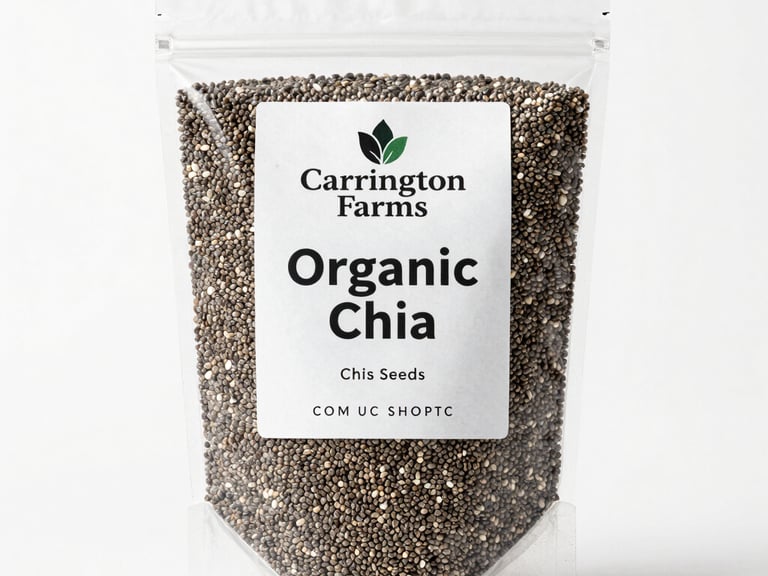
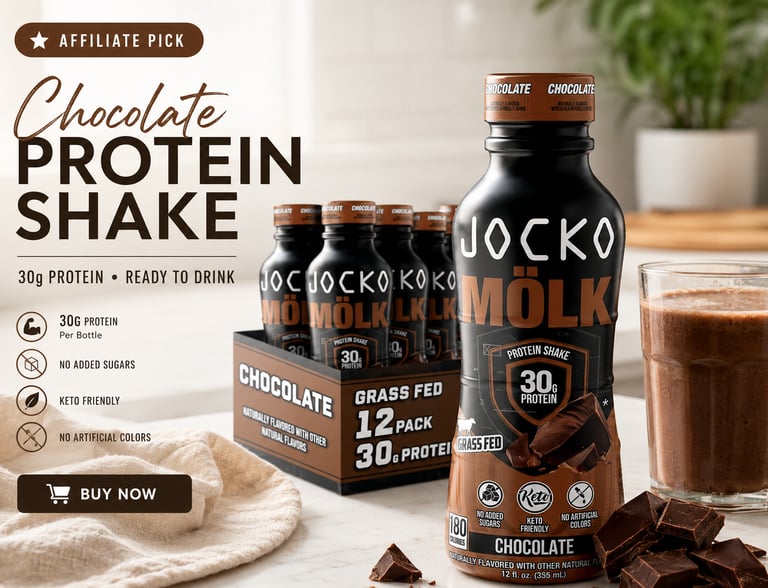
Essential High-Protein Vegetarian Foods
When undertaking meal planning as a vegetarian, it is crucial to incorporate a variety of high-protein foods to ensure nutritional adequacy. Among the top sources are legumes, which include lentils, chickpeas, and beans. For instance, one cup of cooked lentils contains approximately 18 grams of protein, making them an excellent addition to salads, soups, and stews.
Another versatile option is tofu, which is derived from soybeans. Tofu provides about 20 grams of protein per cup and is known for its ability to absorb flavors from other ingredients, making it a favorable choice for stir-fries and grilled dishes. Tempeh, another soybean product, is fermented and boasts a higher protein content, approximately 31 grams per cup, alongside beneficial probiotics. Tempeh can be used in sandwiches, salads, or marinated and grilled for added flavor.
Beans, including black beans, kidney beans, and pinto beans, also contribute significantly to protein intake, with around 15 grams per cooked cup. They can be easily included in chili, tacos, or as side dishes. Quinoa, a pseudo-grain, stands out with its complete protein profile, offering about 8 grams of protein per cooked cup, and can serve as a base for grain bowls or salads.
Seitan, made from wheat gluten, is another high-protein option with roughly 25 grams of protein per 3.5-ounce serving. It has a meat-like texture, making it suitable for those transitioning to vegetarianism or looking for meat alternatives. When selecting these foods, it is beneficial to choose organic or minimally processed options whenever possible to maximize nutritional value. Preparation methods like soaking beans or marinating tofu can enhance both flavor and digestibility, ensuring a satisfying and protein-rich vegetarian meal.
Meal Planning Strategies for High Protein Intake
Adopting a high protein vegetarian diet necessitates careful meal planning to ensure nutritional adequacy and variety. Foremost among the strategies is batch cooking, which involves preparing large quantities of protein-rich foods in advance. This method not only simplifies meal assembly but also promotes the efficient use of time and resources, allowing for the creation of multiple meals throughout the week. Foods such as legumes, quinoa, and tempeh can be bulk-cooked and stored for easy incorporation into meals.
Meal prepping is another critical strategy. Allocate specific times each week to plan and prepare meals that align with your dietary needs. Using clear containers for portioning can enhance visual appeal and simplify access to high-protein snacks such as hummus, mixed nuts, or Greek yogurt. In this way, healthy options are always within reach, minimizing the urge to choose less nutritious alternatives.
Creating balanced meals should become a routine part of your meal planning. Aim for a mix of protein sources at each meal—combining beans, lentils, tofu, and whole grains ensures that you receive a comprehensive array of amino acids. Additionally, incorporating a variety of fruits and vegetables enhances the nutritional profile of meals, providing essential vitamins and minerals.
Another vital aspect is the frequency of meal consumption. Establishing regular eating patterns can aid in maintaining energy levels throughout the day, with three main meals supplemented by healthy snacks. High protein snacks like edamame or protein bars can prevent hunger spikes and contribute to total daily protein intake.
However, meal planning does come with its challenges, such as time constraints and limited food options. These can be managed through careful scheduling and exploring local markets for seasonal produce, enhancing both the quality and variety of your diet. Overall, thoughtful meal planning tailored toward high protein vegetarian options can significantly boost dietary success while simplifying the process of maintaining such a lifestyle.
Tracking Progress and Adjusting Your Plan
Monitoring your nutritional intake is critical in achieving effective high protein vegetarian meal planning. It enables you to analyze your protein consumption while ensuring that you adhere to your dietary goals. Various tools and methods are available for tracking meals, such as food diaries, smartphone apps, and online nutrition databases. These resources allow you to log your daily meals and quantify protein intake, which is essential for identifying areas that may require adjustment.
When choosing a tracking method, consider one that fits seamlessly into your lifestyle. Many meal-tracking apps feature barcode scanners and customizable food databases, streamlining the process of logging meals. Additionally, these apps often provide insights on macronutrient breakdowns, including protein, fats, and carbohydrates, allowing a comprehensive view of your dietary habits.
Analyzing your dietary habits on a weekly basis can help you ensure you are consistently meeting your protein goals. Set aside time to review your logged meals and identify trends. For example, if you notice that you are consistently falling short in protein intake on certain days, consider adjusting those meals or incorporating more high-protein snacks for better balance.
Furthermore, as you adapt to new circumstances such as changes in activity levels, lifestyle alterations, or specific dietary needs, be prepared to modify your meal plan accordingly. An increase in physical activity may necessitate additional protein to support muscle recovery and overall health. In contrast, life transitions like a new job or traveling might require simpler meal options. In these instances, think ahead and plan meals that maximize protein intake without compromising your nutritional goals.
In conclusion, effective tracking and timely adjustments to your vegetarian meal plan are crucial for meeting your protein consumption targets and ensuring overall success in your dietary journey.
Key 5 Points:
Protein is crucial for muscle repair and immune function; vegetarians need to meet daily protein requirements through plant sources.
RDA for protein is 0.8 grams/kg for average adults, higher for athletes.
High-protein vegetarian foods include legumes, tofu, tempeh, beans, quinoa, and seitan.
Batch cooking and meal prepping are effective strategies for maintaining protein intake.
Tracking meals aids in meeting protein goals and allows for dietary adjustments based on lifestyle changes.