High Protein Vegetarian Meal Planning: 5 Key Steps for Success
High Protein Vegetarian Meal Planning: 5 Key Steps for Success
MEAL-PLANNING
5/26/20265 min read
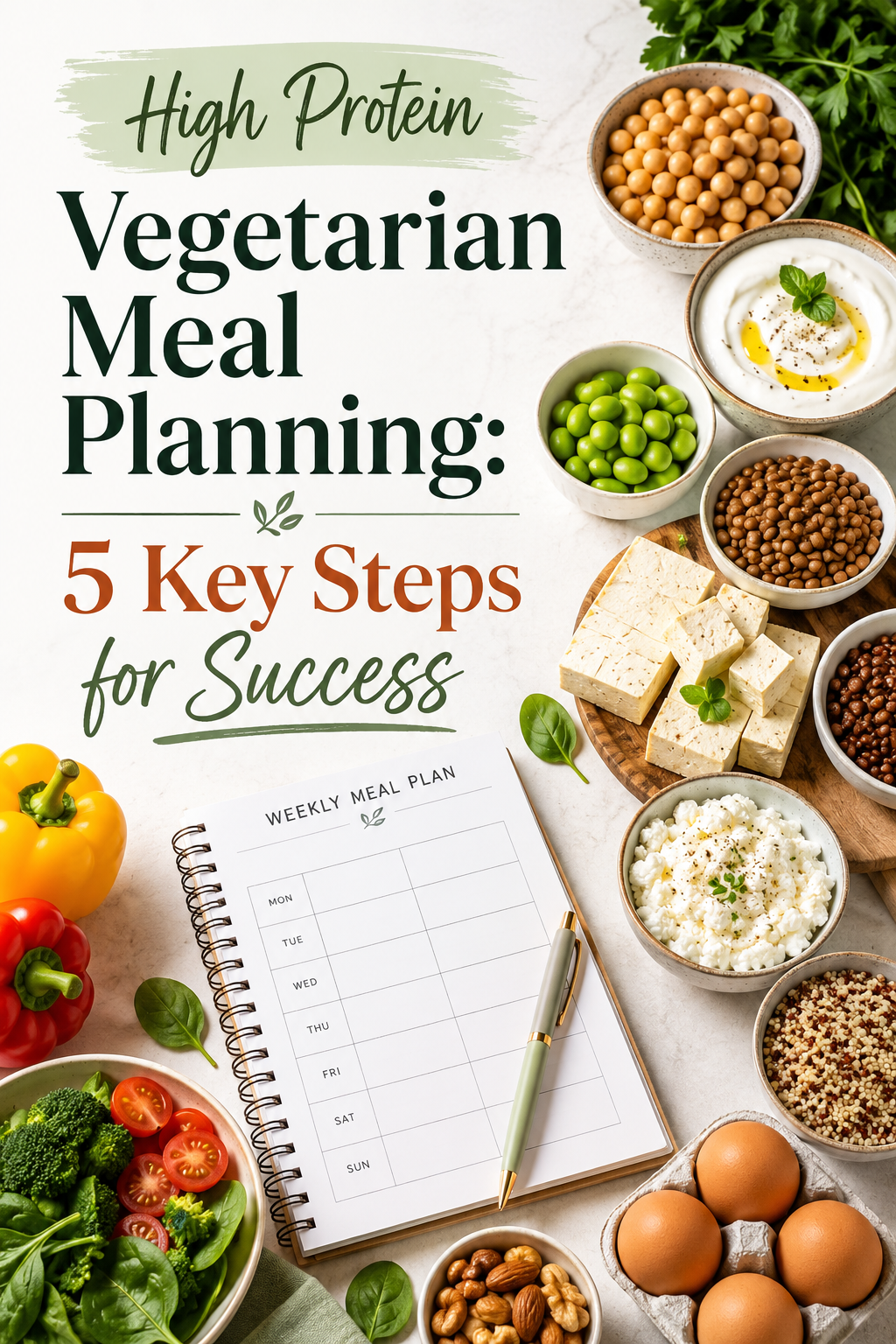
High Protein Vegetarian Meal Planning: 5 Key Steps for Success
High protein vegetarian meal planning is not only about choosing the right ingredients. While protein-rich foods are important, the bigger challenge is learning how to structure meals in a way that is practical, balanced, and easy to repeat throughout the week. A successful meal plan should support your protein goals without making food feel complicated or restrictive.
For vegetarians, this often means thinking more intentionally about how meals are built. Instead of relying on one main ingredient to provide most of the protein, it can be helpful to use a planning method that combines different protein sources, balanced portions, and flexible meal structures. With the right approach, vegetarian meals can be filling, varied, and suitable for everyday life.
1. Plan Protein Into Every Main Meal
One of the most effective techniques for high protein vegetarian meal planning is to consider protein at the beginning of the planning process. Many meals are often built around carbohydrates or vegetables first, with protein added later as an afterthought. This can make it harder to reach daily protein needs consistently.
A more reliable approach is to ask where the protein will come from before planning the rest of the meal. This does not mean every dish needs to be extremely high in protein, but each main meal should contain a clear protein component. Once this is decided, it becomes easier to add vegetables, grains, healthy fats, and sauces around it.
This technique also helps prevent meals from becoming unbalanced. For example, a vegetable pasta, salad, or rice bowl can be nutritious, but it may not be very filling if it lacks enough protein. By planning the protein source first, the meal is more likely to support fullness, energy levels, and overall dietary goals.


2. Use Repeatable Meal Structures
Another helpful strategy is to rely on simple meal structures rather than planning completely new recipes every day. This makes vegetarian meal planning easier and less time-consuming, especially during a busy week.
A good meal structure usually includes a protein source, vegetables, a filling carbohydrate, and a flavorful sauce or seasoning. This basic framework can be used in many different ways. A grain bowl, curry, wrap, pasta dish, salad, soup, or stir-fry may all follow the same basic structure while still tasting very different.
Using repeatable structures also reduces decision fatigue. Instead of asking, “What should I cook today?” the question becomes, “Which protein, base, vegetables, and flavor do I want to combine?” This makes meal planning feel more flexible and manageable.
The goal is not to eat the same meal every day, but to create a system that can be adapted. Once you know a few reliable meal formats, it becomes much easier to create high protein vegetarian meals without needing a new recipe each time.
3. Prepare Flexible Components in Advance
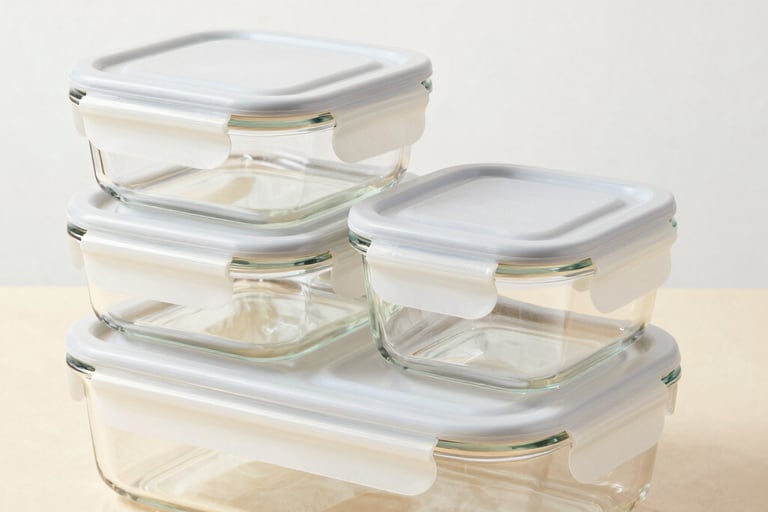
Meal preparation is often more successful when it focuses on flexible components rather than fully finished meals. Cooking five identical meals in advance can be useful, but it can also become repetitive. Preparing separate components allows for more variety while still saving time.
This might include cooking a protein source, preparing a grain or starch, chopping vegetables, washing salad ingredients, or making a sauce. These components can then be combined in different ways throughout the week.
For example, one prepared protein component can be used in a bowl one day, a wrap the next day, and a salad or stir-fry later in the week. This method makes it easier to stay consistent without feeling locked into a strict meal plan.
Component-based meal planning is especially useful for vegetarian diets because many high protein options can be prepared in advance and used in multiple meals. It also helps reduce food waste, since ingredients can be mixed and matched depending on what needs to be used first.
4. Distribute Protein Throughout the Day
A common challenge in high protein vegetarian eating is trying to fit too much protein into one meal. This can make planning feel difficult and may lead to meals that are larger or heavier than desired. A more balanced technique is to spread protein intake across the day.
Instead of focusing only on dinner, it can be helpful to include protein at breakfast, lunch, dinner, and snacks. This does not require complicated planning. Even small additions throughout the day can make a meaningful difference to total protein intake.
This approach can also support more stable energy levels and better satiety. Meals and snacks that contain protein are often more filling than those based mainly on refined carbohydrates or low-protein ingredients. For people who exercise regularly or want to support muscle maintenance, distributing protein across the day can be especially useful.
When creating a meal plan, it may help to look at the entire day rather than each meal in isolation. A moderate amount of protein at several eating occasions is often easier to achieve than relying on one very high protein meal.
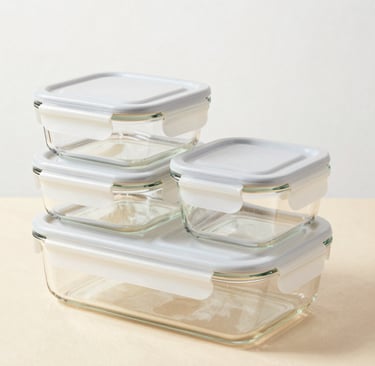
5. Keep the Plan Realistic and Adjustable
A high protein vegetarian meal plan is only successful if it fits into real life. A plan that looks perfect on paper but takes too much time, uses too many ingredients, or does not match your routine will be difficult to maintain.
This is why flexibility is an important part of meal planning. Some weeks may allow for more cooking, while others require quicker meals, leftovers, or simple combinations. Planning should support consistency, not create pressure.
It can also be helpful to review the plan regularly. If certain meals leave you hungry, they may need more protein, fiber, or healthy fats. If recipes take too long, they may need to be simplified. If the same meals become boring, changing the sauce, seasoning, or format can make them feel new again.
High protein vegetarian meal planning works best when it is treated as an ongoing process. Over time, you learn which meals keep you full, which ingredients are easiest to prepare, and which combinations fit your lifestyle.
Final Thoughts
High protein vegetarian meal planning does not need to be complicated. The most important step is to create a simple structure that helps you include protein consistently throughout the day. By planning protein into each main meal, using repeatable meal formats, preparing flexible components, spreading protein across meals and snacks, and adjusting the plan when needed, it becomes much easier to eat in a balanced and sustainable way.
Rather than focusing only on individual ingredients, successful meal planning is about building habits and systems. With a thoughtful approach, vegetarian meals can be protein-rich, satisfying, and realistic for everyday life.